Reading/Literature
We cover all aspects of learning to love reading, including phonics instruction, vocabulary, literature, reading lists of great books, and more. You'll also find teaching tips and helpful resources to assist you.
Reading Skills
Explore our introduction to reading education, including when to begin teaching reading, different methods, and tips and ideas to help make your child love reading.
Vocabulary
We've gathered great resources for vocabulary building, including curricula, different approaches to teaching vocabulary, and great sources for materials.
Phonics
Phonics is the foundation for strong reading skills that last a lifetime. There are several different approaches to teaching phonics—we've gathered the best here for you to examine. Learn ways to make phonics learning fun, including games and ideas that incorporate learning.
Reading Lists
"My child reads every book she gets her hands on! We are running out of good books for her." If this sounds like you, you've come to the right place. From birth to high school, we've brought together the best literature suggestions and reading lists that respect your child's need for more opportunities to read balanced with your desire to provide quality, wholesome, and meaningful literature for your child.
Study Guides
Reading for comprehension is an important reading skill. You can help guide your child towards a greater understanding of what he or she has read by using a study guide. We've found some quality resources that are essential for the homeschooling family.
Literature
Looking for good literature and ways to get the most out of it? Here you'll find literature lists for all grades, strategies for teaching literature appreciation and comprehension, and more.
Poetry
The study of poetry can open a mind to new ways of thinking and exploration of the beauty of language. Writing poetry is a doorway to creative expression and deep understanding of meaning and language. Here you'll find great resources to study, write, and understand poetry in your homeschooling experience.
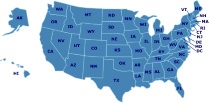
Looking for Another State?
Featured Resources
As an Amazon Associate, we earn from qualifying purchases. We get commissions for purchases made through links on this site.

Visual Brainstorms
Children who love word games, logic puzzles, secret codes, mazes, and math mysteries will stretch their mental muscles with Visual Brain Storms. This set of 100 cards, each of which includes a humorous, full-color drawing, promises "the world's best brainteaser questions." The characters in the questions often have funny names (Professor Pith Bugby pops up often) or faces or dilemmas to solve. The answers and explanations are on the back of each card, along with a related bonus question. Many of...
Create! Press
Create! Press carries creative approaches to teaching creative writing and composition. Their products include the Create-A-Story game, Writing Adventures, Stepping Stones, and more.

More Charlotte Mason Education: A Home Schooling How-To Manual
After providing an important work in explaining the Charlotte Mason method for homeschoolers, Catherine Levison goes deeper into the use of this method in the home with her subsequent work. This book expands the information from the first book and offers ideas to incorporate the rich and uplifting philosophy into your home education. There are specific tips for high school, schooling through challenges, and more.
Considering God's Creation
Life science truly comes alive with this 270-page lap-book style notebook for 2nd-7th graders. A Charlotte Mason type discovery approach is easily implemented with creative activities, music and topical Bible studies, making this program a perfect choice for a homeschool family or a classroom. It may be used as a stand-alone science course or as an invaluable supplemental resource for any other program.

Taking Charge of Your Child's Education: A Guide to Becoming the Primary Influence in Your Child's Life
Every parent wants to give their child the best start in life. The best way to do that is to get fully involved in their educational process as their primary influence. This book is full of helpful information, resources, and tools that will lead you to home education success. Erica Arndt recognizes that the most important factor is the family unit relationships. This book will help you as you make your decision to homeschool.